 Hogtown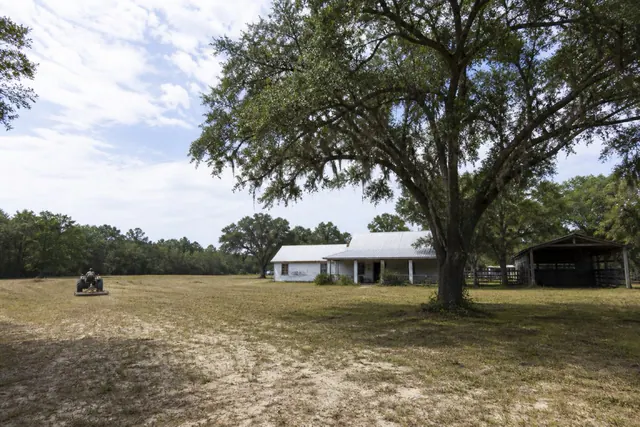
Hogtown Land Clearing puts Archer property owners in front of a local land clearing contractor for mulching, clearing, and site prep around Archer.
Archer sits in the county's southwest corner with 1,140 residents at the 2020 census and a settled, small-farm character the growth wave has mostly ridden past — which is exactly why people buy here. The parcels are homesteads: a farmhouse, a barn or two, front acres that want to be pasture, and back acres that have been negotiating with the woods for years.
The clearing menu matches: front fields bush-hogged back from fennel and broomsedge, fence lines ground clean so a survey or a new run of wire can happen, volunteer oaks taken out of pasture while they're still cheap to remove, and homesite circles maintained against the surrounding scrub. Storm work is its own season — Archer's mature water oaks and pecans shed hard when a summer cell comes through.
The ground is kind: sandy, mostly level, with enough loam in the old farmed sections to grow real grass. Machines travel it nearly year-round, and mulch finishes disappear into the sod within a season or two. Gopher tortoises are regular residents on the sandier ground, so a burrow check is part of any honest walk-through.
Hogtown Land Clearing's role in Archer is simple: connect the owner of ten quiet acres with a contractor who works them like a neighbor — a walked parcel, a written itemized price, and a machine that shows up when the paper said it would.
The homestead reset, in the right order
Grown-over homesteads reward sequencing. First the safety items — dead or storm-damaged trees near the house and drive. Then the perimeter: fence lines ground back to wire so the boundary is real again. Then the fields, mowed or mulched by stage of regrowth, and last the woodlot edges, pushed back to a maintained line. Sequenced that way, each phase makes the next cheaper, and an itemized quote lets a budget walk through it over a season or two instead of one large bite. For the pasture-recovery agronomy that follows — soil tests, bahia management — the Alachua County Extension office is the free expert in the room.
The keep-list deserves its own pass: Archer's homesteads carry some of the county's best open-grown live oaks and old pecans, and a machine-day that works around them adds value the county appraiser will never see but every buyer will.
Rural work, rural rules
Out here the regulatory footprint is light but not zero. Unincorporated parcels answer to Alachua County codes on regulated trees and any work near mapped wetlands; open burning of cleared debris remains legal on rural ground only inside state authorization rules from the Florida Forest Service framework; and tortoise burrows carry protection wherever the sand invites them. A contractor who works the southwest county weekly treats all three as routine checkboxes rather than surprises.
The practical result: Archer jobs mostly proceed exactly as quoted, which is the kind of boring both owner and contractor prefer.