 Hogtown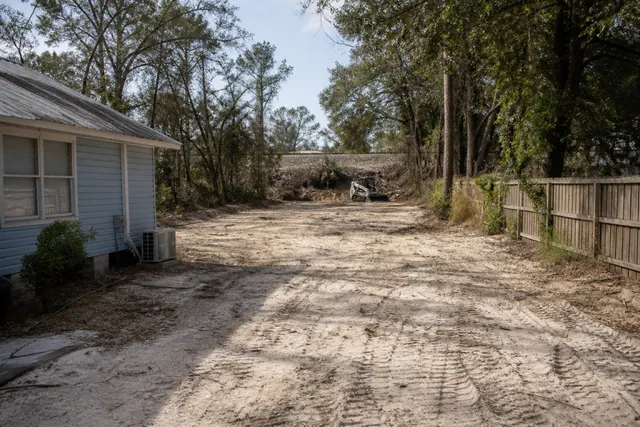
Hogtown Land Clearing puts Waldo property owners in front of a local land clearing contractor for mulching, clearing, and site prep around Waldo.
Waldo is the county's old rail junction on US-301 — 846 people at the 2020 census, down from 1,015 a decade before, with the long, deep lots of a town platted when everyone kept a garden and half a pasture behind the house. Those back lots are where the work is: parcels that have quietly grown forty years of oak, cherry, and vine while the front yard stayed mowed.
The classic Waldo job is the deep-lot clean-out — a narrow run from the street to the back line, cleared of volunteer trees and understory tangle, opening ground the deed always included but nobody has walked in years. Add the surrounding rural parcels along 301 and the lake roads, and the menu rounds out with fence-line resets, small-acreage mowing, and storm cleanup when summer cells ride the highway corridor.
The town's economics reward straight pricing. These are not trophy projects; they are practical ones — make the lot usable, make the sale possible, make the county code letter go away. An itemized quote fits that reality: each task priced, cheap paths (grind and leave the mulch) distinguished from tidy ones (clean to dirt and haul), owner picks.
Hogtown Land Clearing connects Waldo owners with an operator who runs this stretch of 301 regularly — which keeps mobilization sane on small jobs and makes a one-day clean-out cost like a one-day job.
The forty-year backyard, and how it comes back
A neglected north Florida back lot follows a known succession: cherry and chinaberry first, laurel oak and water oak behind them, all laced with grape and smilax until it reads as solid green. Un-making it follows the reverse order — vines cut, understory ground, then a tree-by-tree call on what reached real size. Some volunteers earn their place; most fast-growth species are firewood on a stem, and species guides in UF/IFAS EDIS back up the sorting. The mulcher does the heavy share in hours, and the finish — chips left as groundcover or hauled for a clean yard — is a price line, not a debate.
One town-lot habit worth keeping: locate the septic system and any old wells before machines roll. Waldo's lot histories are long, and the maps are mostly in someone's memory. Once those features are marked, the NWS Jacksonville forecast helps pick a dry operating window for the 301 corridor.
Small-town code letters and property sales
A meaningful share of small-town clearing starts with an envelope — a code notice on an overgrown parcel, or a realtor's blunt advice before listing. Both respond to the same medicine: a documented clean-out with photos, done once, priced fairly. For rural parcels outside city limits, Alachua County handles enforcement and the parcel records that settle boundary questions before grinding starts. And on any lot near the rail corridor, the boundary check matters twice — railroad rights-of-way are private property with long memories.
Cleared, a deep Waldo lot is real inventory: garden ground, workshop space, or simply a parcel that shows its actual size to a buyer for the first time in decades.